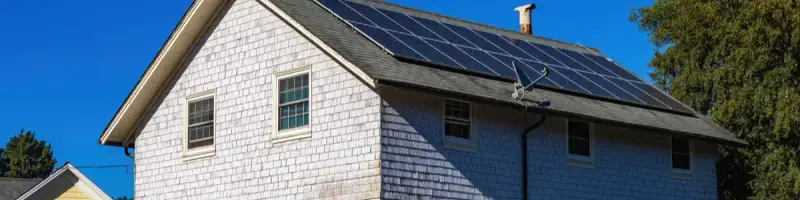
Little Rock Premium Roofing: Roof Replacement, Repair & Storm Damage
Expert residential and commercial roofing services. Free inspections across Central Arkansas, and a written scope before anything is ordered.
- Arkansas Residential Roofer Registration, plus the city bond where a town requires one
- Free inspections across Central Arkansas, attic included
- Every proposal names the application instruction used
- Fastening photographed before the next course covers it
Our Roofing Services in Little Rock, AR
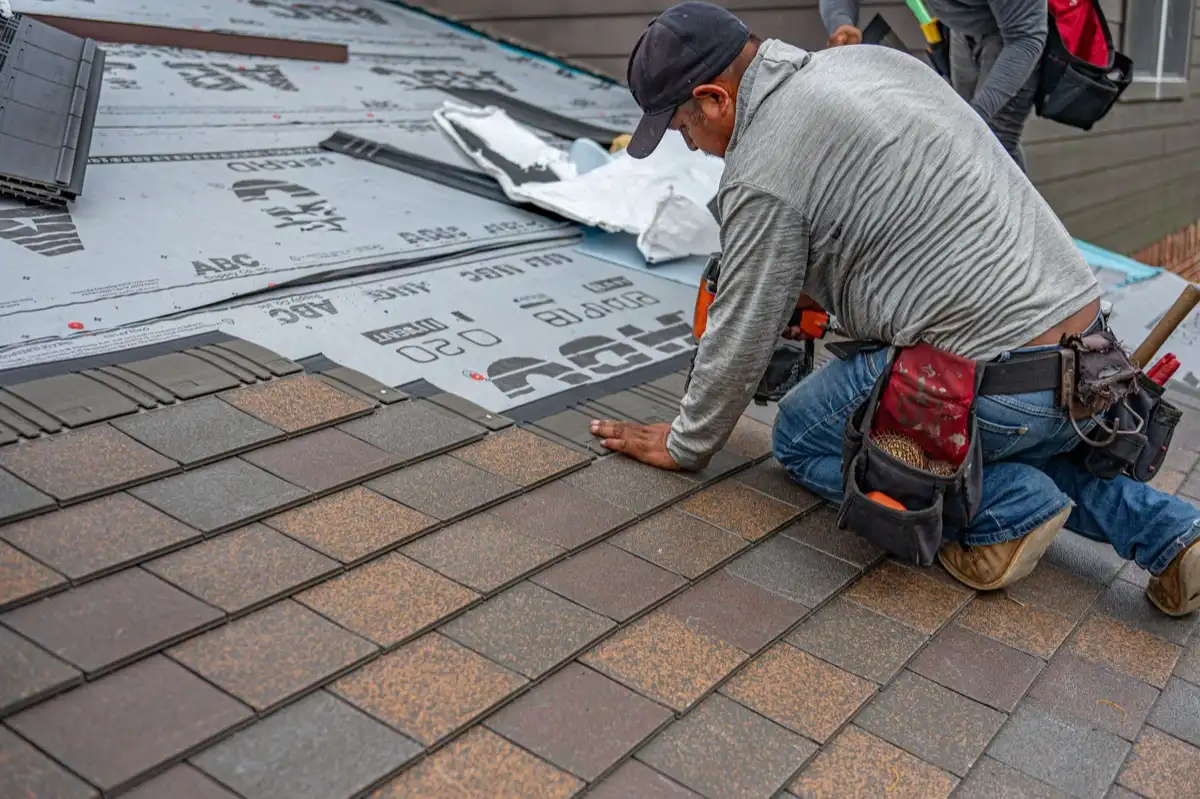
Residential Roof Installation
Before anything else on a new build, settle what you are actually building. The Arkansas board that registers residential roofers defines commercial as anything that is not a single-family residence.

Commercial Roof Installation
On the commercial side the instruction becomes a system manual, and the warranty attaches to the system rather than to the material. That single distinction decides most of what a building owner in this market actually receives for the money spent.
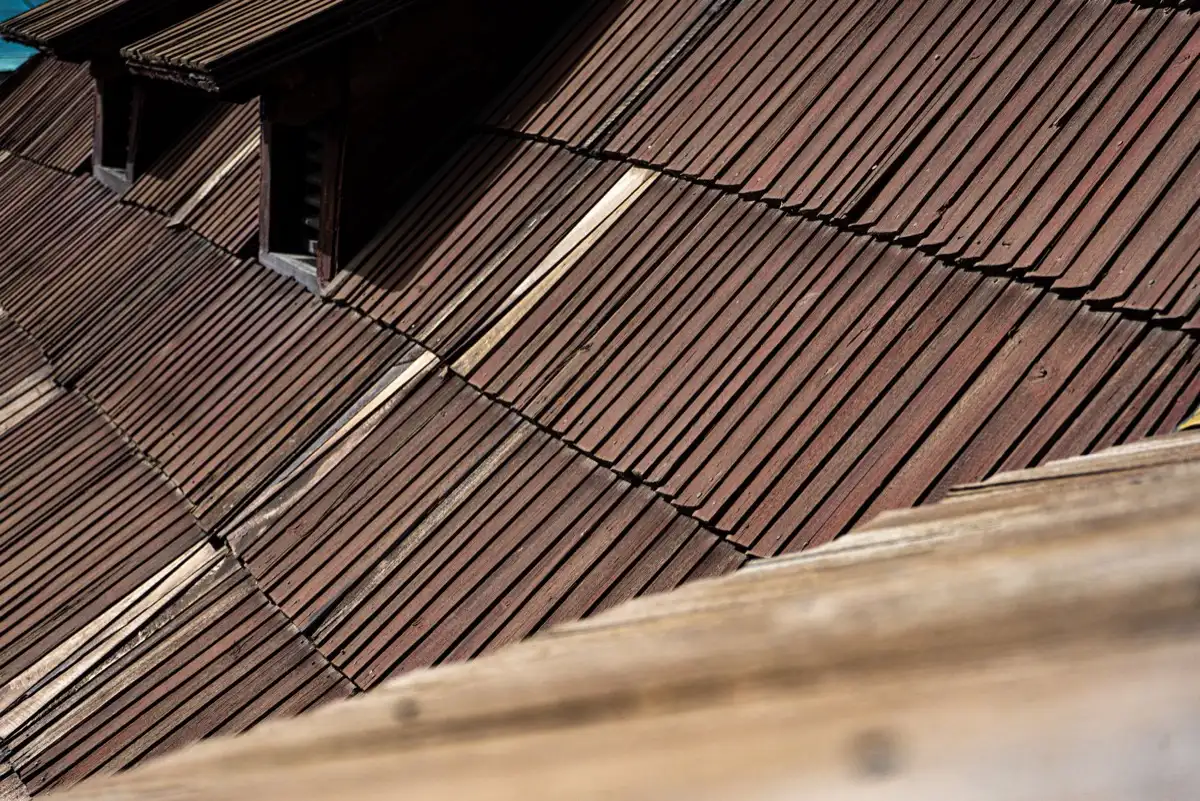
Roof Replacement
A replacement here is governed by a document most owners never see. Section R905.1 of the residential code adopts the covering maker's printed application instructions by reference, which makes that leaflet the actual specification your roof is built to.
Roof Repair
Storms here produce a great deal of work that is genuinely repair work. A limb comes down on one plane, wind creases a run of shingles, a ridge cap goes, a boot splits in the August heat.
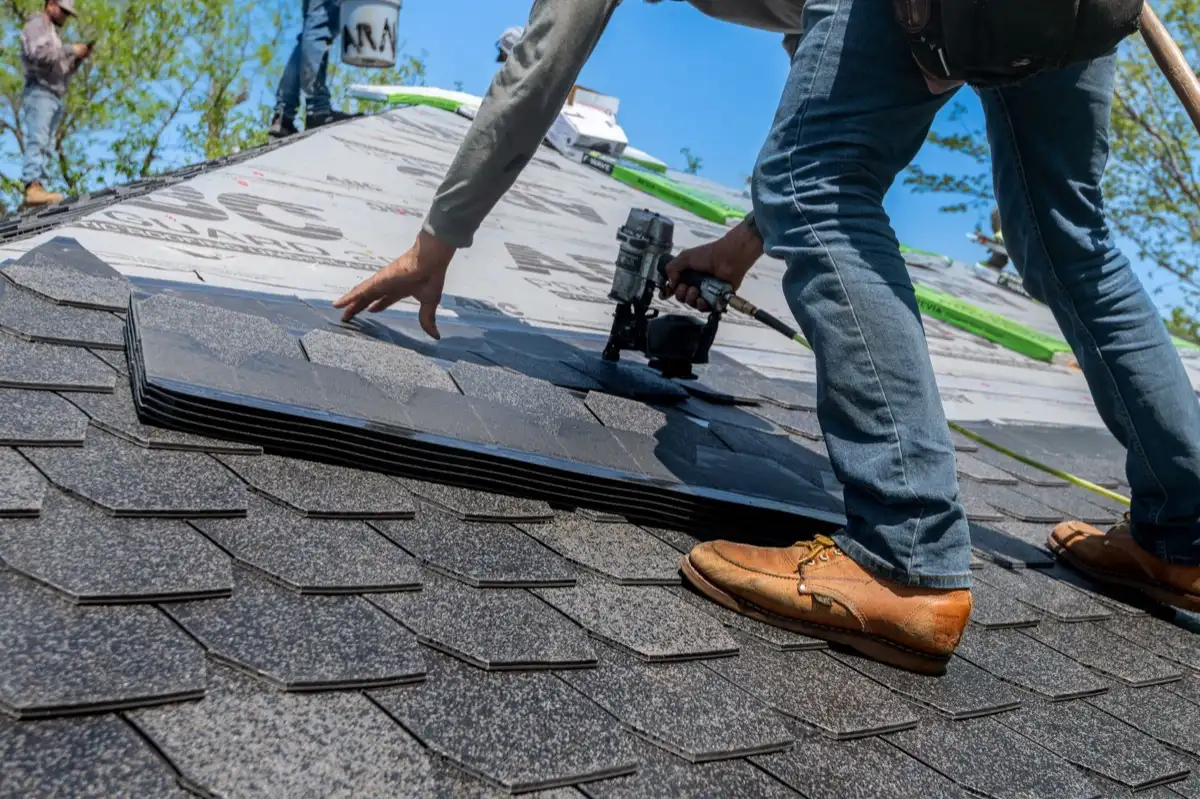
Asphalt Shingle Roofs
Asphalt is what Central Arkansas is roofed in, and it is the material where the instruction earns its keep. Nearly everything that decides how long the roof lasts is written on a page that ships inside the bundle wrapper and usually goes straight into the skip.

Cool Roof Installation
Central Arkansas is the closest call we have. Little Rock's heating and cooling seasons are closer in size than people assume, so a reflective roof here is neither the obvious buy it is in south Texas nor the clear mistake it is in Fargo.
Flat & Low-Slope Roofing
Low slope is where the instruction stops being guidance and starts being a boundary. Shingles are not permitted below two in twelve at all, and between two and four in twelve a two-ply underlayment application is required beneath them.
Hail Damage Roofing
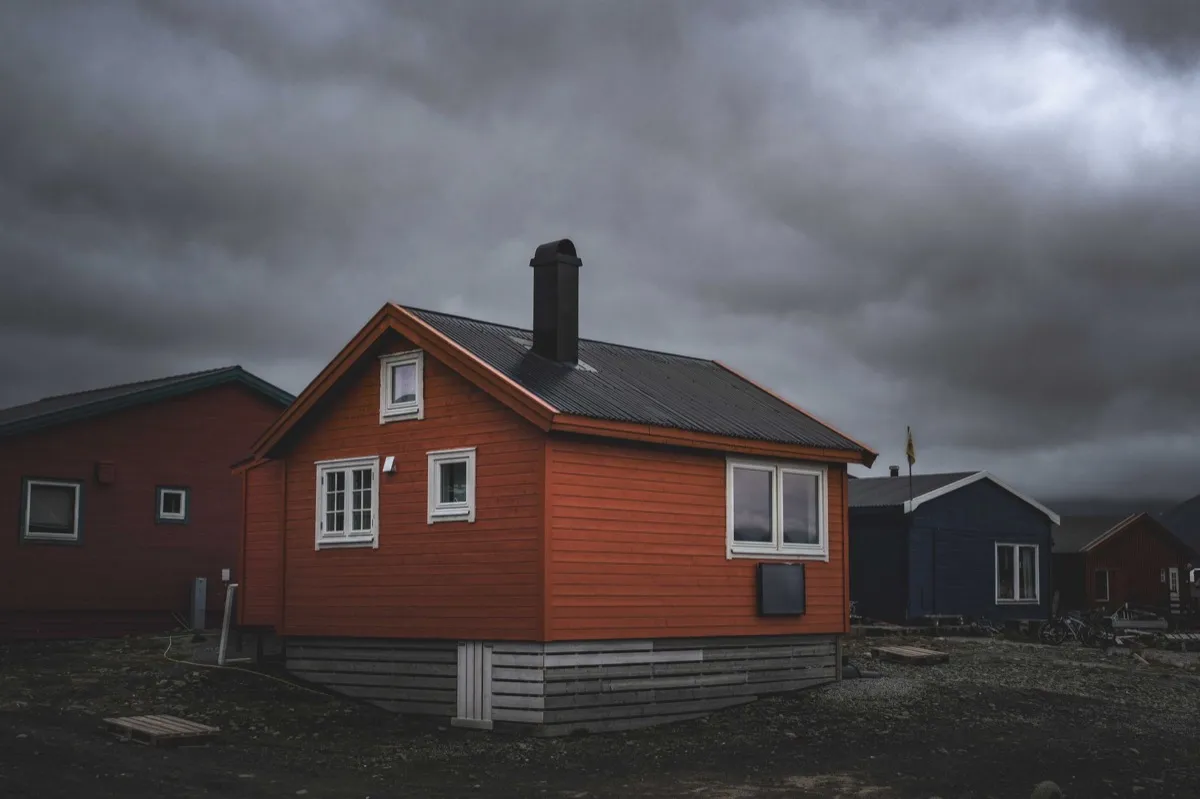
An impact class describes the product as it was tested, not the roof after it is installed. A shingle earns a UL 2218 class in a laboratory under its maker's own assembly.
Insurance Claim Help
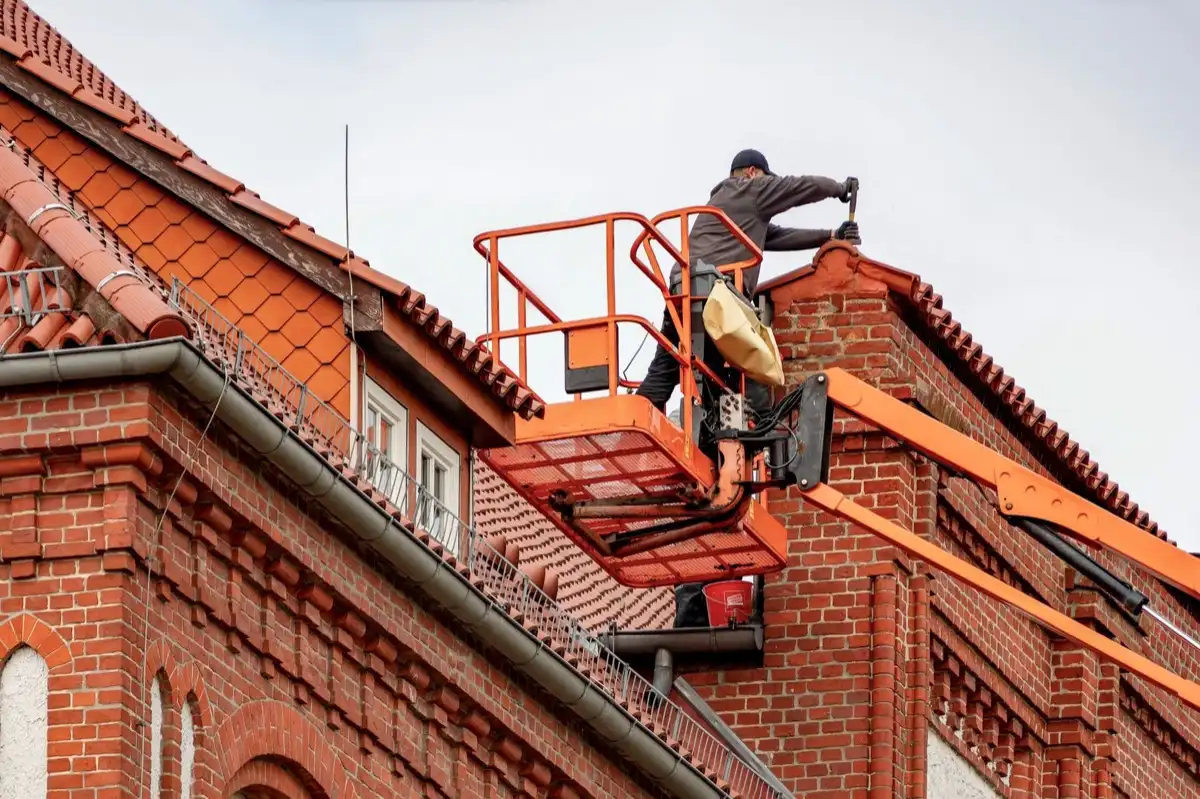
A claim funds a scope. An instruction defines a roof.
Metal Roofing
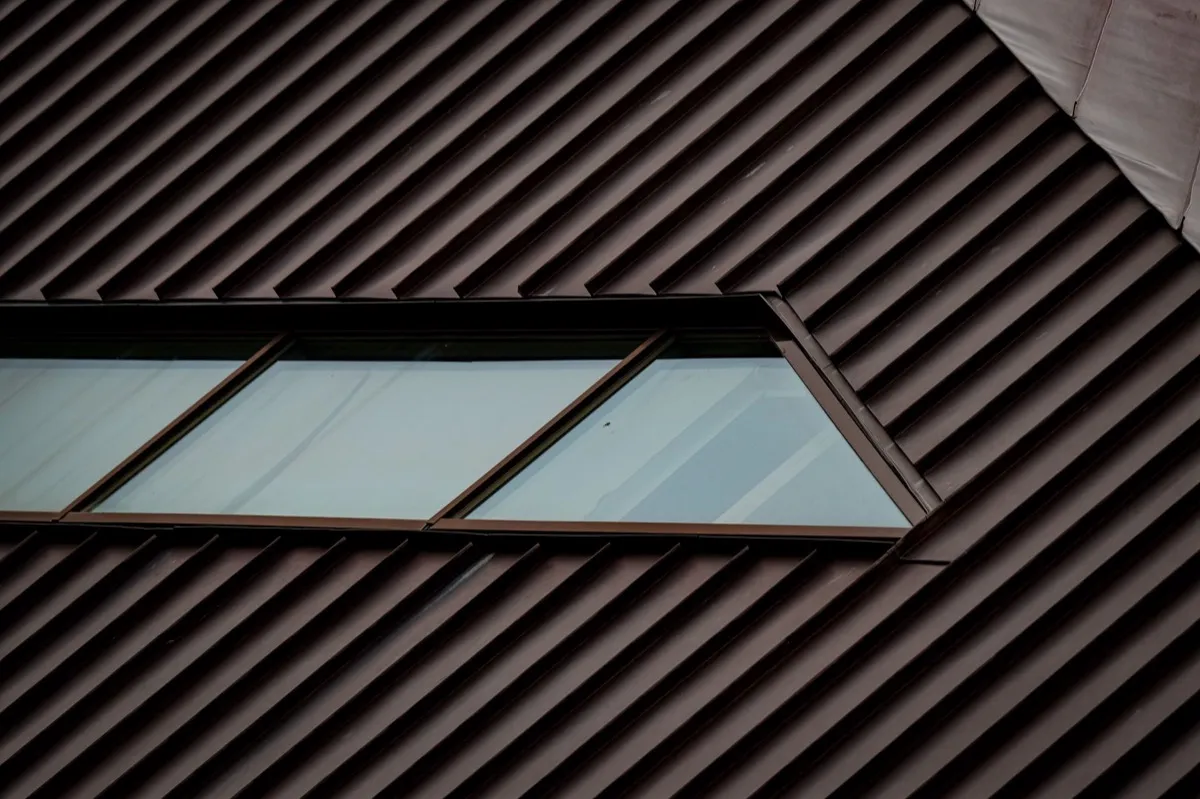
Metal splits into two products sold under one word, and they arrive with two very different documents. Standing seam is a system with a published watertight path.
Roof Leak Repair
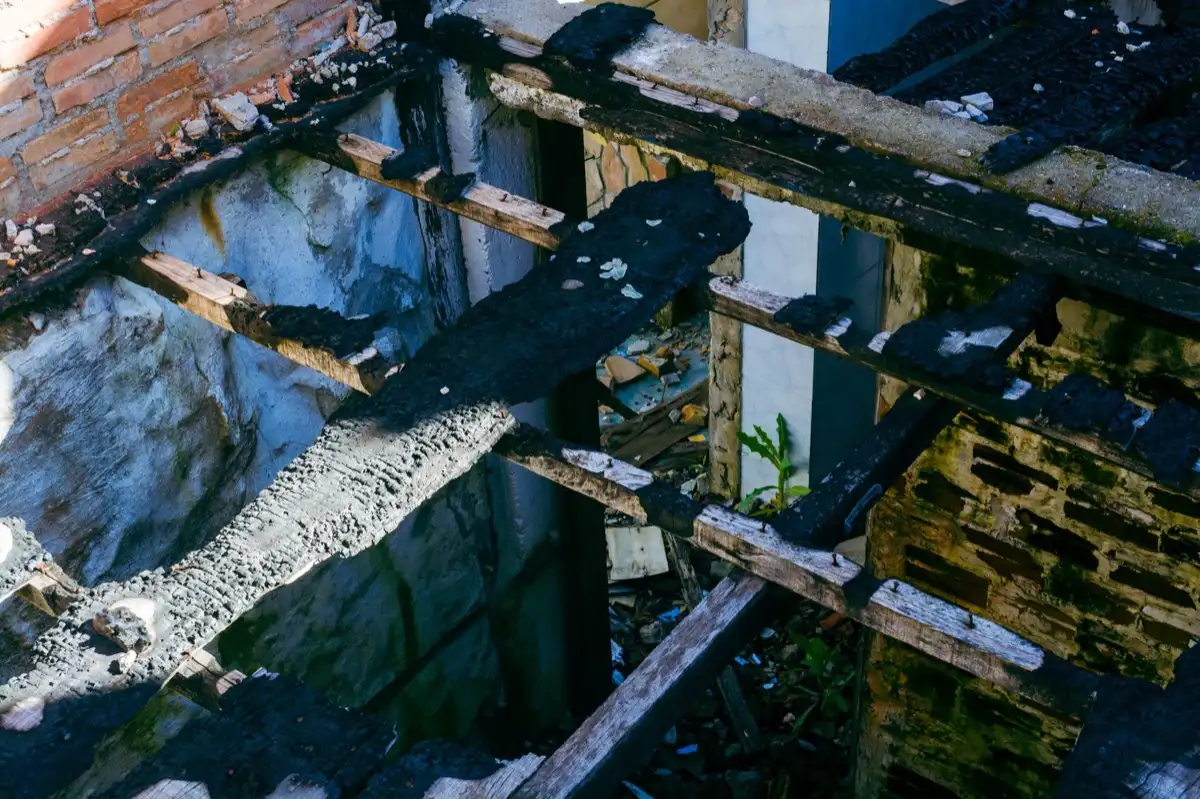
Repairs sit in a blind spot. Manufacturers publish instructions for applying a new roof.
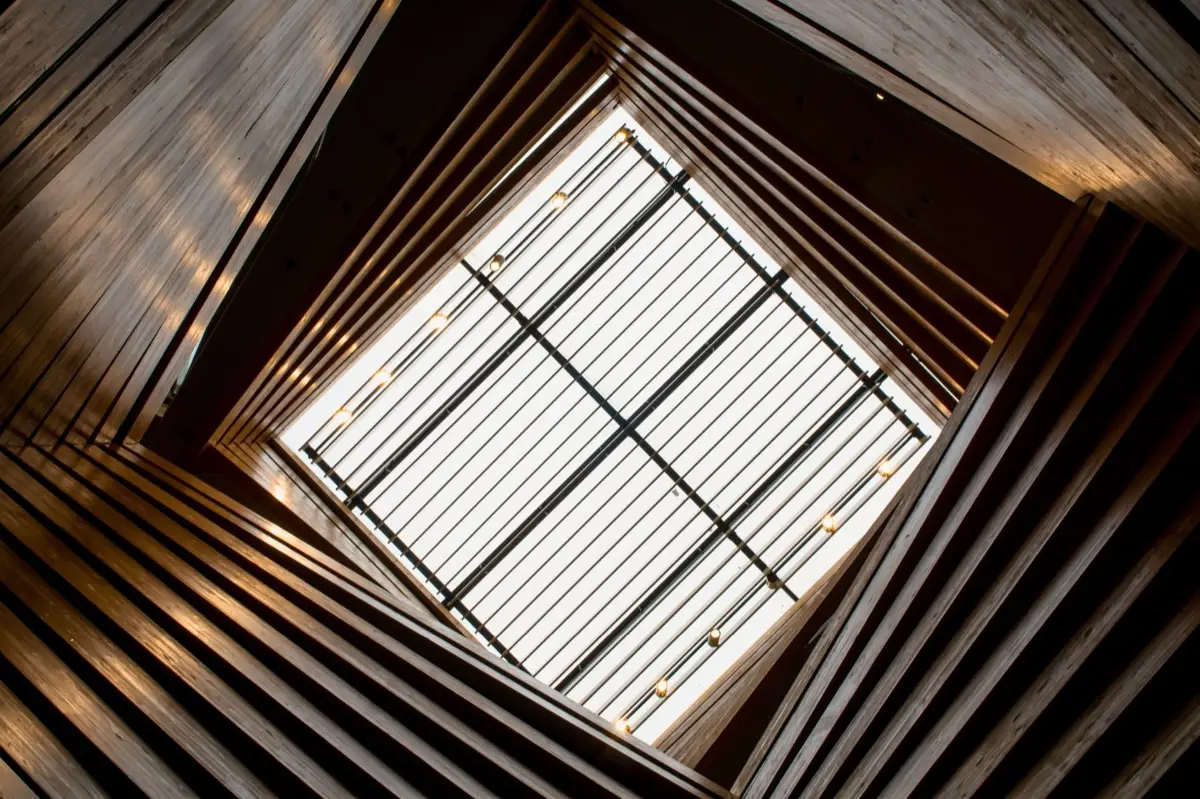
Roof Skylight Installation
Skylights are the clearest illustration of the rule this whole site runs on. The unit's maker publishes a flashing kit and an instruction for fitting it, and that kit is the only assembly the unit's warranty covers.
Storm Damage Restoration
After a storm, two documents land on the same job and they do not say the same thing. The carrier writes a scope, which lists what it will pay for.

Tile Roofing
This is the page where we talk most customers out of the product. Clay and concrete tile are excellent roofs in the markets that grew up around them.
Wind Damage Roofing
The wind speed printed on a shingle wrapper is conditional. ASTM D7158 classes are earned under a defined fastening, and every major instruction contains a separate high-wind application with more fasteners and hand-sealed perimeters attached to it.
Little Rock is one of the few cities its size where the building code expressly leaves residential roofs out of the permit requirement. Nobody from the city climbs a ladder behind a reroof here.
Across the river, North Little Rock does name roofs on its permit list, at a thirty dollar minimum fee, tripled where work started without one, and it wants a current city bond and a city business license from the contractor. So roofing in Little Rock gets inspected by exactly one party: the crew that did it.
That is the whole reason we work the way we do. The residential code adopts the covering maker's printed application instruction by reference, which makes the folded leaflet inside the bundle the specification your roof is legally held to.
It sets the nailing band, the purpose-made starter at rakes as well as eaves, the underlayment lap, the accessories a system warranty depends on, and the ventilation behind that warranty. We name the instruction and its revision on the proposal, price every accessory it calls for, and photograph the fastening on each plane before the next course covers it.
Central Arkansas sits on the ragged eastern edge of tornado alley, and the work arrives in waves because of it.
Spring hail, straight-line wind, the EF3 that ran from Martindale to Genevia across Cantrell Road on March 31, 2023, and an ice storm every few winters that does most of its damage by dropping limbs rather than by loading the roof.
Then fifty inches of rain a year and an August that cooks an asphalt roof from both sides, sun on the shingle and a hot attic giving it back.
The stock runs from 1940s cottages to last year's subdivisions, and the older streets in Hillcrest and the Heights are close to their own trade. Plank decks take different fasteners than modern panel sheathing, and what sits under a second layer is nobody's guess until a section comes off. Deck repair is therefore priced per sheet and per foot before tear-off starts, on houses and commercial buildings across Pulaski, Saline, Faulkner, Lonoke and White counties.
What Little Rock Customers Say
Two other bids named a shingle brand and a price. This one listed the nailing pattern, the starter at the rakes and the ventilation numbers, and then they sent photographs of the nails on every slope before the next row went down. I have never been given that before.
They found the leak in the attic in about fifteen minutes and it was a split pipe collar, not the roof. They fixed it, charged me for a repair, and told me the roof had maybe six years left. Anyone else would have quoted me a whole new roof.
I asked about one of those spray-on roof rejuvenation treatments and got a straight answer about why they will not do it, with the reasoning. Ended up replacing the roof a year later and used them because of that conversation.
Ridge vent had been sitting over painted-shut soffit for years. They measured the attic, showed me the arithmetic, opened the intake and put baffles in. The upstairs is noticeably cooler and the roof was the smaller part of the bill.
Why Little Rock Chooses Little Rock Premium Roofing
- ✓The proposal names the covering maker's printed application instruction and its revision, because the residential code adopts that leaflet by reference and nothing in this city inspects against it.
- ✓Nail height inside the printed band, count per shingle and gun depth are photographed plane by plane, before the next course hides the evidence for twenty years.
- ✓Intake gets measured before shingle grade is discussed, because ridge vent over painted-shut soffit is the fault we find most often on Little Rock houses.
- ✓The inspection starts in the attic with a light and a moisture meter, since a limb-fractured plank reads from below long before it shows from the driveway.
- ✓We will not sell you sprayed shingle rejuvenator, and we will name the repair that makes a replacement quote unnecessary this year.
- ✓Deck repair carries a per-sheet and per-foot rate agreed in writing before tear-off, so nothing about a Hillcrest plank deck is negotiated on a ladder.
About Little Rock Premium Roofing in Little Rock, AR
We are a roofing company that would rather argue about a leaflet than about a price. Little Rock Premium Roofing covers Pulaski, Saline, Faulkner, Lonoke and White counties, residential and commercial both. In our opinion the number on a roofing quote in this market is not set by what the quote contains. It is set by what somebody quietly left out of it.
Arkansas moved residential roofing to a registration in 2022 rather than an examined trade license, and inside Little Rock no reroof inspection checks the arithmetic afterward. We treat that as the problem to solve rather than as the excuse. So the proposal names the document, prices every accessory that document requires, measures the attic in net free area rather than estimating it, and the fastening is photographed while it is still visible.
There is work we will talk you out of, and it still surprises us how rarely anyone expects that from a roofer. If the roof needs a pipe boot, a run of step flashing or a counterflashing reglet re-cut, take the repair and keep the rest of your money.
If hail bruised a slope but the loss will land near your deductible, you hear that before you call the carrier. And if you want clay or concrete tile in Central Arkansas, we will argue you out of it.
How It Works
- 1
Inspection From the Attic Up
We start under the deck with a light and a moisture meter, then walk every slope we can stand on safely and use a pole camera for the rest. Fastener rust, plank delamination and daylight at the eave tell us more than the shingle surface does.
- 2
A Proposal That Names the Document
The scope states the covering, the specific application instruction the crew will work from, every accessory that instruction requires, the measured pitch of each plane and the ventilation arithmetic in net free area. No brand-and-color one-liners.
- 3
Fastening Photographed Plane by Plane
Nail placement inside the printed band, count per shingle and fastener depth are photographed before the next course covers them. Deck repairs are measured and shot the same way, at a per-sheet rate agreed before the tear-off begins.
- 4
Closeout File, Not Just an Invoice
You receive the dated photo set, the product and accessory list, the ventilation figures as built, and the workmanship warranty in writing. If a manufacturer ever asks how the roof was installed, the answer already exists on paper.
Commercial Roofing in Little Rock and Across Central Arkansas
We maintain and replace low-slope roofs on retail and flex space along the Rodney Parham and Colonel Glenn corridors, older downtown buildings with parapets and interior drains, and church and school campuses where a single building crosses several assemblies and several decades. Scope comes from core cuts logged against a numbered roof plan and a moisture survey, never from a walk round the parapet.
- ✓Core cuts logged against a numbered roof plan before any recommendation
- ✓Moisture survey where the deck and insulation history is unclear
- ✓Recover versus replace answered with evidence, not with a preference
- ✓Single-ply, modified bitumen, metal and coating restoration systems
- ✓Manufacturer-inspected system warranties where the assembly qualifies
- ✓Phased sequencing by roof section for campuses and multi-building sites
- ✓Two documented maintenance visits a year with a written report each time
- ✓Drain, scupper and overflow capacity checked against the area draining to each
Where We Work
Little Rock Premium Roofing serves Little Rock, AR and surrounding communities including:
Recent Projects Across Central Arkansas
Full gallery →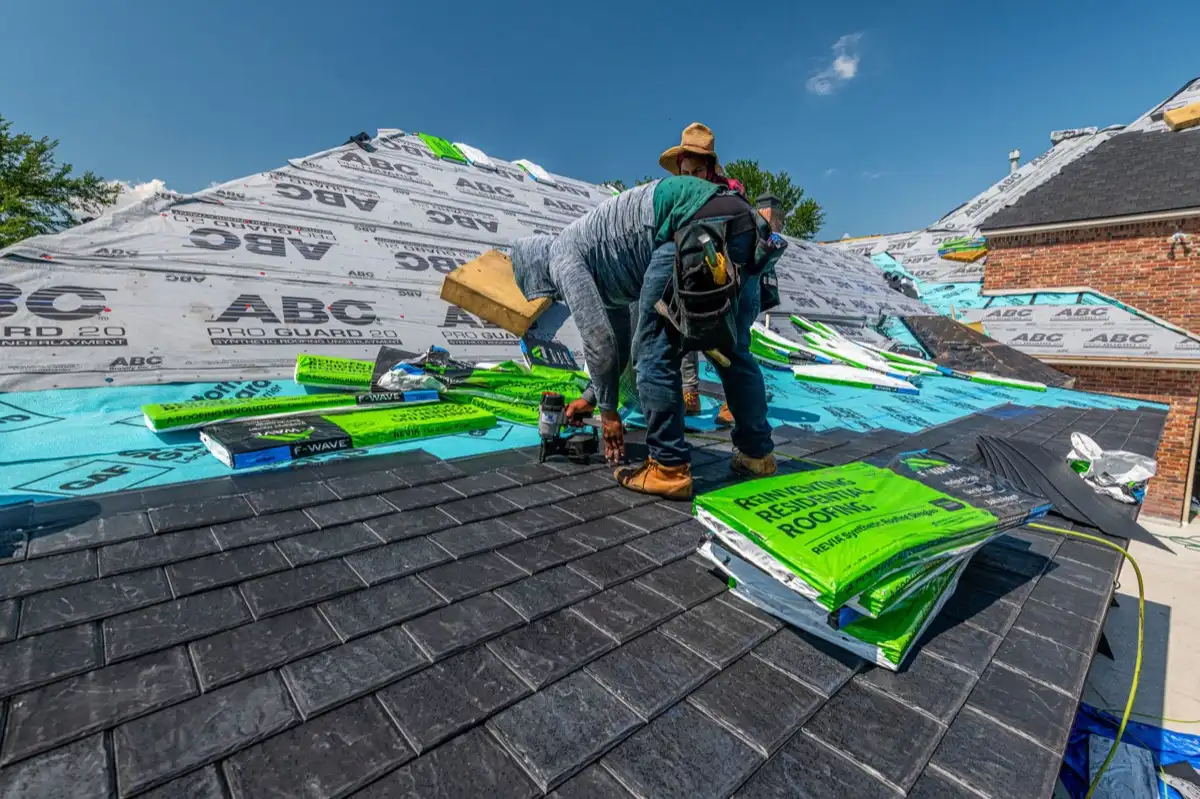

Frequently Asked Questions
Do I actually need a permit to reroof a house in Little Rock?
For a house inside Little Rock, no. The city's code expressly excludes residential roofs from its permit requirement, which is unusual for a city this size and catches people out when they go looking for an inspection record years later. Cross the river and the answer flips.
North Little Rock lists roofs among the work needing a permit, sets a thirty dollar minimum fee, triples that fee where the job started without one, and wants a current bond with the city and a city business license from the contractor on top of the state registration.
Three of the towns we serve require their own city bond before any permit issues, and one of them extends it expressly to repair work. Ask us which set applies to your address before you sign anything.
Is my roofer licensed by the state, or only registered?
Registered, almost certainly, and the difference is worth ten minutes of your time.
Since 1 January 2022 a roofer doing residential work over two thousand dollars - the board's own words are including but not limited to labor and material, which is what puts nearly every reroof over the line - must hold a Residential Roofer Registration with the Arkansas Contractors Licensing Board, at a twenty dollar filing fee and a fifteen thousand dollar surety bond.
Workers' compensation is required only if the applicant has employees, and holders of a Residential Builders or Remodelers license are exempt. It is a registration, not a skills test, and the board says plainly that a registrant is NOT a licensed contractor.
Commercial is a different animal: anything that is not a single-family residence needs a commercial license at fifty thousand dollars or more, and that one does carry a business and law examination.
Why is our upstairs ten degrees hotter than the rest of the house every August?
Usually intake, not the air conditioner. The code sets a ratio rather than a vent count. Net free ventilating area of one part in a hundred and fifty of the space being vented, dropping to one in three hundred only where between forty and fifty percent of the required area sits high near the ridge with the balance low.
Most Little Rock attics we open have ridge vent over soffit that has been vinyl-covered, painted shut, or packed tight with blown insulation. That is a rice levee with the gate closed. Every part needed to move something is in place and nothing moves, and the ridge starts pulling conditioned air up out of the house instead.
We put both halves of the arithmetic on the proposal so you can check it yourself.
Half the street got new roofs after the last hail and we did not. Did we miss something?
Maybe, and maybe you dodged a bad decision. Hail is patchy street to street, and the crews that follow it are not sorting houses carefully. What matters is bruising that has fractured the mat and broken the sealant bond between courses, not granules in the gutter, which a roof sheds anyway.
If the damage is real, it should be documented properly: chalked test areas photographed with a scale in frame before the adjuster arrives. If the loss is going to land anywhere near your deductible, we will tell you so and recommend you not open a claim at all.
North of the river, June 30, 2009 is still the date that sets roof ages, and a fair number of those roofs have never been opened up since.
We get an ice storm every few winters. Does ice hurt the roof, or only the trees?
Mostly the trees, and that is worth knowing before somebody sells you an ice-storm roof. Arkansas does get genuine glaze events. The one anchored here is late January 2009: ten million dollars of damage apiece in three counties around us, fifteen million in a fourth, with quarter-inch accretions logged in four towns on this list.
The roof damage that follows is overwhelmingly limb strike, plus gutters and fascia pulled down by ice and falling branches. A limb can fracture a deck plank under shingles that still lie flat when you look up from the driveway, which is why we check impact damage from inside the attic rather than from the surface.
Another company offered to cover our deductible. Can you match that?
No, and we would think hard before hiring anyone who says yes. The deductible is your share of the loss and it is written into your policy, so a contractor absorbing it is either building it back into the price somewhere or doing something you do not want your name attached to.
What we do instead is document the damage thoroughly: our own chalked test areas photographed with a scale in frame before the adjuster arrives, dated images you own outright, and a written note of anywhere the settled scope leaves out something the instruction or the code requires.
We do not negotiate your policy for you, and we will say so on the first visit.